Source Windproof Knitted Wool Hat for Commuting, Riding, Outdoor
Find 30 verified windproof knitted wool hat options from China suppliers. Compare prices, MOQs, and customization features like embroidery and adjustable fits for winter and autumn use.
Key considerations
Products List


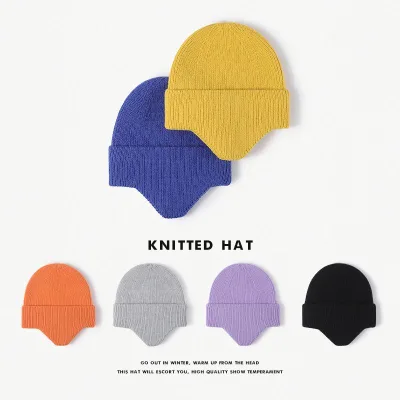


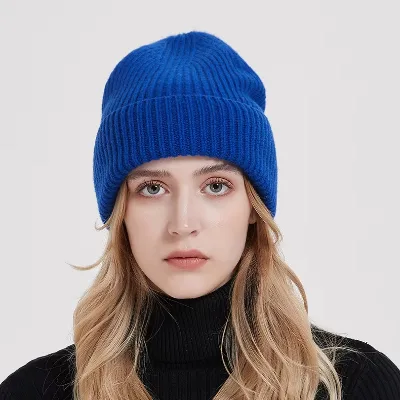


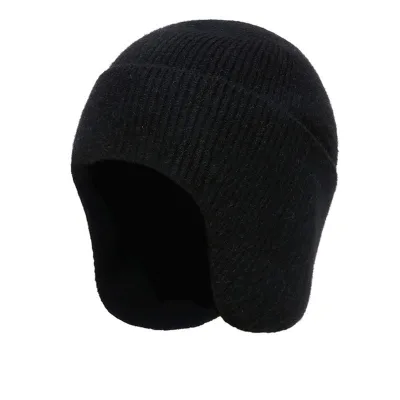


Comprehensive Sourcing Guide
Strategic Sourcing Guide for Windproof Knitted Wool Hats
The global market for winter headwear has evolved significantly, with windproof knitted wool hats emerging as a critical category for both functional outdoor gear and fashion-forward commuting accessories. For B2B procurement professionals, sourcing these items requires a nuanced understanding of material composition, manufacturing processes, and supply chain logistics. This guide synthesizes available market data to provide a disciplined framework for evaluating suppliers, verifying product specifications, and mitigating procurement risks. The focus remains strictly on observable product attributes and verified industry standards to ensure that sourcing decisions are grounded in factual evidence rather than speculative claims.
Material Composition and Thermal Performance
The foundation of any windproof knitted hat lies in its material composition. While the core keyword specifies "wool," the current market landscape presents a diverse array of fiber blends and synthetic alternatives. Procurement teams must carefully distinguish between 100% wool products and those utilizing acrylic or blended fibers. In the observed market data, specific listings indicate a material composition of 100% wool, which typically offers superior natural insulation and breathability. However, other entries highlight 100% acrylic or general acrylic materials, which provide cost-effective alternatives with distinct performance characteristics such as moisture wicking and lightweight properties.
When evaluating thermal performance, buyers should verify the specific fiber content against the intended use case. Wool is naturally antimicrobial and breathable, making it suitable for high-activity scenarios where sweat management is crucial. Acrylic, while often lighter and more durable against wear, may lack the same level of natural temperature regulation. The presence of "100% Acrylic" in some product lines suggests a focus on cost reduction and color retention, whereas "100% Wool" listings align with premium positioning. It is essential to request material test reports to confirm the actual fiber percentage, as marketing terms can sometimes be misleading. The distinction between these materials directly impacts the hat's ability to retain heat while remaining wind-resistant, a critical factor for winter and autumn applications.
Technical Specifications and Design Features
Technical specifications for windproof knitted hats vary widely based on the target demographic and functional requirements. Observed data reveals a range of crown styles, from "With Crown" to "Without Crown," and brim configurations ranging from "Without Brim" to specific structural designs. The crown style significantly influences the fit and the area of protection provided to the head. Hats with a crown generally offer better coverage and warmth retention, while those without may be designed for layering under helmets or for specific fashion aesthetics.
Size and fit are paramount in this category. The market data indicates head circumference ranges such as 54-60cm and 55-62cm, with some products specifying an "Average Size" or specific model numbers like "SS" and "H-02." Buyers must ensure that the selected supplier can accommodate the specific size requirements of their target market. Additionally, specialized features such as "Ponytail Hole," "Ear Warmer" integration, and "Rechargeable" elements (though less common for wool) are emerging as differentiators. The presence of "Rechargeable" features in the data suggests a convergence of technology and traditional headwear, though this requires careful verification of battery safety and durability.
Pattern and style also play a significant role in product selection. Observed patterns include "Embroidered," "Checked," and themes ranging from "Character" to "Number." The production technology for these patterns is often "Flat Embroidery," which ensures durability and a premium finish. Color options are extensive, ranging from standard neutrals like "Black," "Gray," and "White" to vibrant shades such as "Ginger Yellow," "Orange," and "Sky Blue." Customization of color and pattern is widely available, allowing buyers to tailor products to specific brand identities or seasonal trends.
Compliance, Certification, and Safety Standards
In the B2B procurement of headwear, compliance with safety and quality standards is non-negotiable. While specific certification names are not universally standardized across all listings, buyers must verify that products meet relevant regional safety regulations. The observed data mentions standards such as "Outdoor windproof and waterproof earmuff riding Ha" and general size standards like "54-60CM." These references indicate that suppliers may be adhering to specific industry benchmarks for windproofing and fit.
For wool products, particularly those marketed as "Antimicrobial" or "Breathable," buyers should request documentation supporting these claims. The presence of "Antimicrobial" in the special features list suggests that the material or treatment process inhibits bacterial growth, a valuable attribute for hygiene. However, without specific certification numbers or third-party test results, these claims should be treated as observations rather than guaranteed performance metrics. Similarly, claims regarding "Water Resistant" or "Windproof" capabilities require verification through laboratory testing, especially for products intended for extreme weather conditions.
Buyers should also consider the origin of the product. The data indicates origins in "China" and specific regions like "Tianjin." Understanding the manufacturing location can provide insights into the regulatory environment and the quality control practices employed by the supplier. Products originating from regions with strict export quality controls may offer higher consistency, but this must be validated through on-site audits or third-party inspections.
Cost Drivers and Supply Chain Logistics
The cost structure of windproof knitted wool hats is influenced by several key factors, including material costs, labor, and supply chain complexity. The observed price range in the market spans from $0.01 to $99.9, reflecting a vast disparity between basic mass-market items and premium, highly customized products. This wide range underscores the importance of defining clear budget constraints and value propositions before engaging with suppliers.
Minimum Order Quantities (MOQ) are another critical cost driver. The data shows an MOQ range from 1 to 1500 units, with specific listings citing 500 pairs as a standard threshold. Lower MOQs offer flexibility for testing new designs or catering to niche markets, while higher MOQs typically result in better unit pricing. Lead times also vary, with observed delivery dates ranging from 10 to 15 days for standard orders. Buyers must account for these timelines when planning inventory, especially for seasonal products where timing is critical.
Packaging and logistics further impact the total cost of ownership. The data indicates packaging options such as "Carton," "Bag," and "Original Packaging," with carton sizes specified as 504550cm and quantities of 100 sets per carton. Efficient packaging design can reduce shipping costs and minimize damage during transit. Buyers should evaluate the supplier's ability to customize packaging to meet branding requirements while maintaining cost efficiency.
Supplier Evaluation and Quality Control
Selecting the right supplier is a multifaceted process that goes beyond price comparison. Buyers should prioritize suppliers who demonstrate transparency in their production processes and offer robust quality control measures. The availability of customization options, including "OEM/ODM," "Color," "Label," and "Packaging Custom," indicates a supplier's flexibility and capability to meet specific client needs. However, the extent of these capabilities should be verified through sample requests and factory audits.
Quality control should be integrated into every stage of the procurement process. This includes pre-production sampling to verify material quality and design accuracy, in-process inspections to ensure manufacturing consistency, and final random inspections before shipment. The presence of features like "Wrinkle Free" and "Foldable" suggests that the hats are designed for durability and ease of storage, but these attributes must be validated through physical testing. Buyers should also inquire about the supplier's defect rates and their protocols for handling non-conforming products.
Given the diversity of the market, it is advisable to engage with multiple suppliers to compare their offerings. This approach allows buyers to assess the range of materials, designs, and price points available. By maintaining a diverse supplier base, companies can mitigate risks associated with supply chain disruptions and ensure a steady flow of high-quality products.
Long-Term Procurement Considerations and Market Trends
Sourcing windproof knitted wool hats is not merely a transactional activity but a strategic decision that impacts long-term brand positioning. As consumer preferences shift towards sustainable and functional apparel, buyers should consider the environmental impact of their sourcing decisions. The choice between natural fibers like wool and synthetic alternatives like acrylic has significant implications for sustainability and product lifecycle.
Market trends indicate a growing demand for versatile, multi-functional headwear. Features such as "Rechargeable" elements and "Music" integration suggest a future where headwear serves as a platform for technology. While these innovations are currently observed in specific listings, they represent a potential direction for product development. Buyers should stay informed about emerging technologies and design trends to remain competitive.
Furthermore, the ability to adapt to seasonal changes is crucial. The observed data lists seasons such as "Winter," "Spring / Autumn," and "Autumn," indicating that these products are designed for transitional weather as well as extreme cold. Suppliers who can offer a diverse range of seasonal products will be better positioned to meet the fluctuating demands of the market.
In conclusion, sourcing windproof knitted wool hats requires a comprehensive approach that balances technical specifications, cost efficiency, and quality assurance. By leveraging the available market data and adhering to strict verification protocols, procurement professionals can build a resilient supply chain that delivers value to their customers. The key lies in maintaining a disciplined focus on facts, avoiding unverified claims, and continuously evaluating supplier performance against evolving market standards.
FAQs
What materials are used for windproof knitted wool hats?
Products are available in 100% wool or 100% acrylic materials. Wool offers natural insulation and breathability, while acrylic provides a lightweight and moisture-wicking alternative suitable for various winter conditions.
Which customization options are available for these hats?
Customization is available for logos, colors, labels, and packaging. Buyers can request OEM or ODM services to tailor the product design, including specific color choices like green, gray, or black.
How long is the delivery time for orders?
The standard delivery date ranges from 10 to 15 days. This lead time applies to standard orders and may vary depending on the specific customization requirements and order volume.
What is the minimum order quantity for these hats?
The minimum order quantity is typically 500 pairs. Some listings indicate a broader range from 1 to 1500 units, but 500 pairs is a common threshold for bulk procurement.
Can these hats be customized with specific patterns?
Yes, patterns such as embroidered, checked, character, or number themes are available. Production often utilizes flat embroidery technology to ensure durability and a premium finish on the knitted surface.
Where are these products manufactured?
Products originate from China, with specific manufacturing locations including Tianjin. This origin information helps buyers assess supply chain logistics and regulatory compliance for international shipments.
What special features do these hats offer?
Features include being wrinkle-free, water-resistant, and having ear warmer capabilities. Some models also offer adjustable fits, moisture-wicking properties, and lightweight designs for comfort during winter activities.